

The Virtual Revolution: VR Casinos and the 2026 Reality for Greek Players
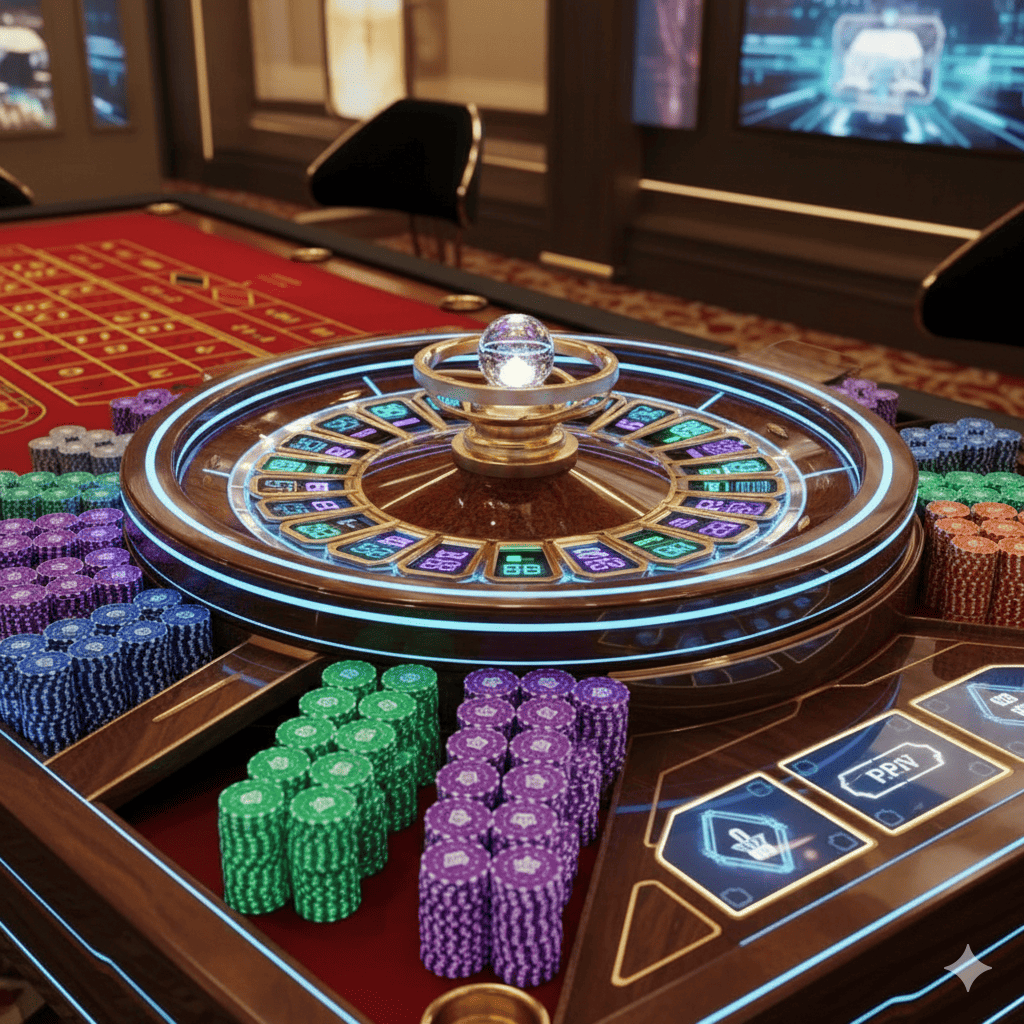
As an executive strategist who has spent the last decade navigating the shifting tides of the European iGaming sector, I can finally say that the “future” we promised in 2020 has arrived. In this year of 2026, the Greek market is no longer just a collection of two-dimensional thumbnails on a smartphone screen. We have moved into the era of spatial computing, where the boundaries between the physical and digital are blurring into a singular, immersive experience. When you interact with a forward-thinking platform like Frumzi, you are witnessing the first steps toward a totally virtualized gambling ecosystem. For years, VR was a niche hobby reserved for tech enthusiasts with expensive PC rigs, but today, in 2026, the hardware has become as accessible as a standard tablet. My objective is to provide you with an insider’s view of the Greek VR landscape, explaining why 2026 was the tipping point for virtual reality casinos in the Hellenic Republic.
The Hardware Breakthrough of 2025 and 2026
To understand why VR is finally available in Greece, we must look at the hardware evolution. The bulky, tethered headsets of the early 2020s are gone. In their place, we have lightweight, glasses-style devices like the Meta Quest 4 and the Apple Vision Pro 3, which have become household items in major Greek cities like Athens and Thessaloniki.